

1. Define Your Project Objectives
The first step in evaluating feasibility is to clearly define your project objectives. What do you want to achieve with this conversion? Is it for residential, commercial, or mixed-use purposes? What is the target market or audience for the end product? Defining your goals helps align all subsequent decisions with the project"s core purpose.
2. Assess Market Demand
Understanding the market demand for your converted space is vital. Research local real estate trends and competition to gauge whether there"s a demand for the type of property you plan to create. Consider factors like location, demographics, and economic conditions to ensure your project aligns with the market"s needs.
3. Budget and Financial Projections
Develop a detailed budget that accounts for all aspects of the conversion project, including construction costs, permits, design, labor, and materials. Prepare a financial model that projects revenue, expenses, and cash flows for the project"s duration. This will help you determine whether the project is financially viable and where potential risks lie.
4. Site Analysis
Conduct a thorough site analysis, evaluating the physical condition of the existing structure and its suitability for conversion. You need to assess structural integrity, environmental issues, and compliance with local building codes. It may be necessary to engage a professional engineer or architect for a comprehensive evaluation.
5. Regulatory and Zoning Compliance
Check local zoning regulations, building codes, and other regulatory requirements to ensure your proposed conversion complies with all legal obligations. Determine whether zoning variances or special permits will be required, and understand the approval process and timeline for such permissions.
6. Environmental Impact
Assess the environmental impact of your project. Are there hazardous materials on-site that need remediation? Are there any historical preservation considerations? Factor in any environmental studies and potential costs associated with mitigation.
7. Technical Challenges
Identify and address any technical challenges that may arise during the conversion process. This includes the potential need for structural modifications, electrical, plumbing, or HVAC upgrades, and any other technical considerations. Engage experts as needed to address these challenges.
8. Project Timeline
Develop a realistic project timeline that outlines each phase of the conversion, from design and permitting to construction and occupancy. Consider factors such as seasonal constraints, weather conditions, and possible delays. A well-planned timeline is crucial for accurate feasibility assessment.
9. Risk Assessment
Conduct a comprehensive risk assessment, identifying potential obstacles, and challenges that could arise during the project. Develop contingency plans and risk mitigation strategies to handle unexpected issues effectively.
10. Feasibility Report
Compile all the gathered data and findings into a feasibility report. This document should summarize the project"s goals, market analysis, budget, technical considerations, regulatory compliance, environmental factors, and risks. It will serve as a blueprint for the project and assist in securing financing and stakeholders" buy-in.
Conclusion
Evaluating the feasibility of a construction conversion project is a critical step in ensuring its success. By defining your objectives, understanding market demand, budgeting meticulously, and thoroughly assessing site, regulatory, and environmental factors, you can identify potential challenges and make informed decisions. With a well-prepared feasibility report in hand, you"ll be better equipped to move forward with confidence, turning your vision for the project into a reality. Remember, a comprehensive feasibility study can save you time, money, and stress in the long run by uncovering and addressing issues upfront.
Your home is not just a place to live; it"s an expression of your personality and style. One of the most exciting aspects of homeownership is choosing the architectural style that best reflects your t...

Selecting the right architect is a pivotal step in ensuring the success of your construction project, whether it"s a commercial venture or a home improvement project. Architects play a crucial role in...

Architectural design is a complex and creative process that transforms ideas and concepts into tangible structures that shape our built environment. Whether it"s a stunning skyscraper, a sustainable h...

Embarking on an architectural project, whether it"s designing your dream home, renovating a commercial space, or constructing a public building, demands meticulous financial planning. Budgeting is a c...
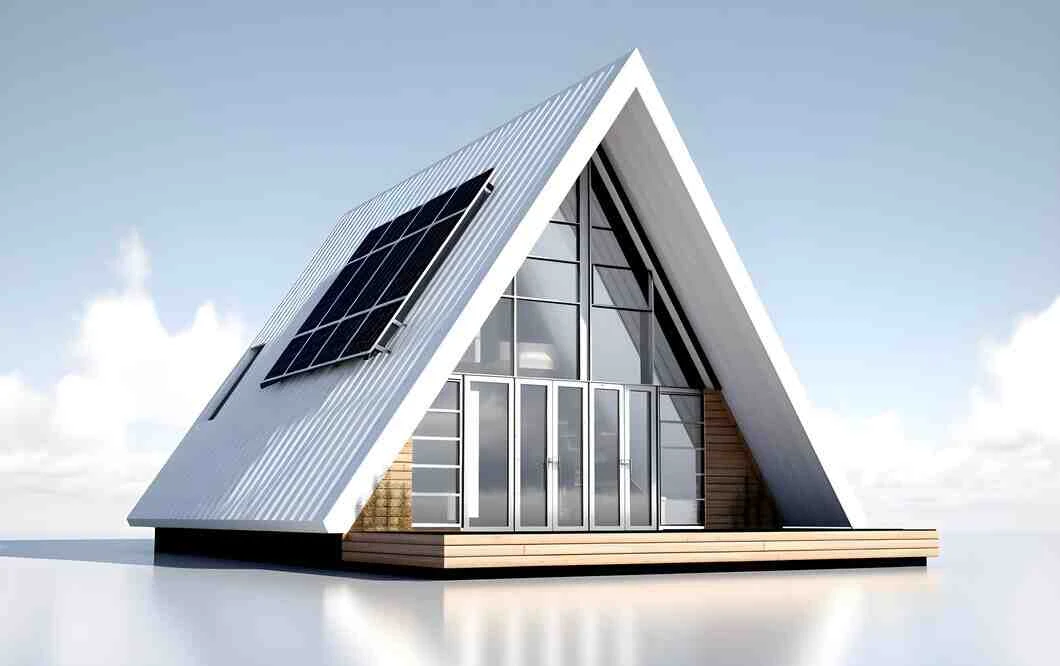
In an era where environmental concerns are at the forefront of our global consciousness, the concept of sustainable architecture has gained significant traction. Sustainable architecture, often referr...
Embarking on a home improvement project can be an exciting but challenging endeavor. When it comes to significant changes, two primary options often come to mind: renovating your existing home or buil...
Sign up to start winning an unlimited amount of jobs near you.


 Electrician
Gas Engineer
Electrician
Gas Engineer


Send more enquiries and explore your options
Increasing the number of potentials leads for you!
Have more control and flexibility over your finances!