


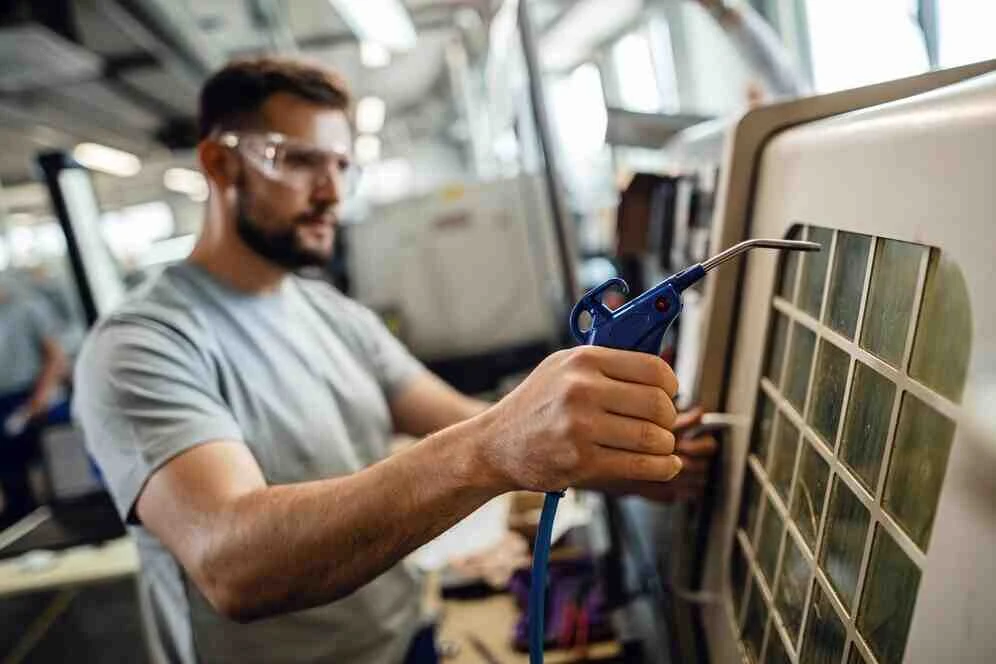
**1. Energy Efficiency and Sustainability:**
One of the most significant trends in air conditioning engineering is a strong emphasis on energy efficiency and sustainability. With the increasing focus on environmental responsibility and reducing carbon emissions, engineers are developing and implementing systems that consume less energy and use eco-friendly refrigerants. High-efficiency equipment, heat recovery systems, and advanced controls are at the forefront of achieving these goals.
**2. Smart and Connected Systems:**
The Internet of Things (IoT) has made its way into the HVAC industry. Smart thermostats and connected HVAC systems are becoming more commonplace. These systems allow for remote monitoring and control, which can lead to improved energy efficiency and comfort. Engineers are incorporating IoT technologies to create intelligent systems that can adapt to changing conditions and provide real-time data for analysis.
**3. Heat Pump Technology:**
Heat pump systems are gaining popularity due to their ability to provide both heating and cooling in a single unit. This trend aligns with the move towards electrification and reducing reliance on fossil fuels for heating. Engineers are developing advanced heat pump technologies that work efficiently even in extreme temperatures, making them a viable option in a broader range of climates.
**4. Variable Refrigerant Flow (VRF) Systems:**
VRF systems have become a go-to choice for many commercial and residential applications. They offer precise control over individual zones, reducing energy consumption by only delivering the necessary cooling or heating where it"s needed. Engineers are continuously improving VRF technology to enhance efficiency, performance, and user comfort.
**5. Air Quality and Filtration:**
The COVID-19 pandemic has underscored the importance of indoor air quality. Air conditioning engineers are focusing on developing systems that not only regulate temperature but also remove airborne contaminants and improve air quality. This includes advanced air filtration systems, UV-C disinfection, and improved ventilation strategies.
**6. Geothermal Heating and Cooling:**
Geothermal heat pump systems are gaining attention for their efficiency and sustainability. These systems use the stable temperature of the Earth to heat and cool buildings, offering a consistent source of energy. Air conditioner engineers are working on optimizing geothermal solutions and integrating them into various building types.
**7. Artificial Intelligence (AI) and Machine Learning:**
AI and machine learning are revolutionizing the HVAC industry. Engineers are developing predictive maintenance algorithms, which can anticipate system failures and reduce downtime. Additionally, AI is being used to optimize system operation, making real-time adjustments based on weather forecasts and building occupancy.
**8. Electrification and Decarbonization:**
The push to reduce carbon emissions has led to a trend in electrification, especially in regions where electricity generation is becoming more sustainable. Air conditioning engineers are exploring the use of electric heat pumps and chillers that rely on cleaner energy sources, such as solar or wind power, to further reduce the environmental impact of HVAC systems.
**9. 3D Printing and Customization:**
Innovations in 3D printing technology are enabling engineers to design and manufacture customized HVAC components and parts. This trend allows for more precise and efficient systems tailored to the specific needs of a building.
As the world becomes increasingly aware of the importance of sustainable and efficient HVAC systems, air conditioning engineering is evolving to meet these demands. Staying updated with these current trends is essential for professionals in the field to deliver the best solutions to clients and contribute to a greener and more comfortable future. By embracing these trends, air conditioning engineers can lead the way in creating innovative and environmentally responsible HVAC systems.

The world of carpentry is buzzing with innovations, trends, and transformative technologies. For carpenters, keeping up with these changes isn"t just about staying ahead in the game; it"s about ensuri...

In an era where technology weaves through every facet of our lives, the carpentry profession is no exception to its transformative power. Welcome to "Carpentry Chronicles," a blog series dedicated to ...

Welcome to "Carpentry Chronicles," a blog series dedicated to navigating the ever-evolving landscape of carpentry. In this edition, we dive into a trend reshaping the carpentry domain—customizat...

In the bustling world of carpentry, safety isn"t just a precaution; it"s a fundamental necessity. Welcome to "Carpentry Chronicles," a blog series committed to navigating the ever-evolving landscape o...

In carpentry, where wood meets creativity, mastery is not just a goal; it"s a journey. Welcome to "Carpentry Chronicles," a blog series that peels back the layers of carpentry to reveal the artistry a...

In the ever-evolving design landscape, where trends come and go, one element stands timeless—wood. Welcome to "Carpentry Chronicles," a blog series committed to navigating the dynamic world of c...
Sign up to start winning an unlimited amount of jobs near you.


 Electrician
Gas Engineer
Electrician
Gas Engineer


Send more enquiries and explore your options
Increasing the number of potentials leads for you!
Have more control and flexibility over your finances!