
These prices are based on national averages
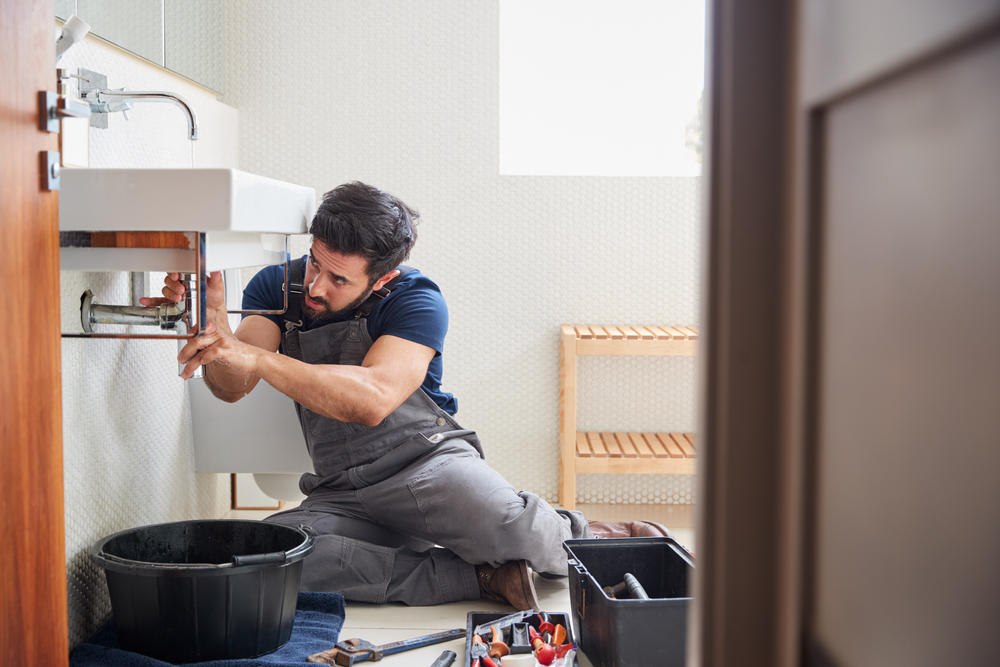
The cost to repair a leak can vary widely depending on the source and severity of the leak, as well as factors such as accessibility and the extent of damage. Here's a general breakdown of what you might expect:
For a precise estimate, it's best to contact a qualified plumber who can assess the leak and provide a detailed quote based on the specific circumstances of your situation. By understanding the cost factors and consulting with professionals, you can budget effectively and ensure the leak is repaired properly.

Get answers here
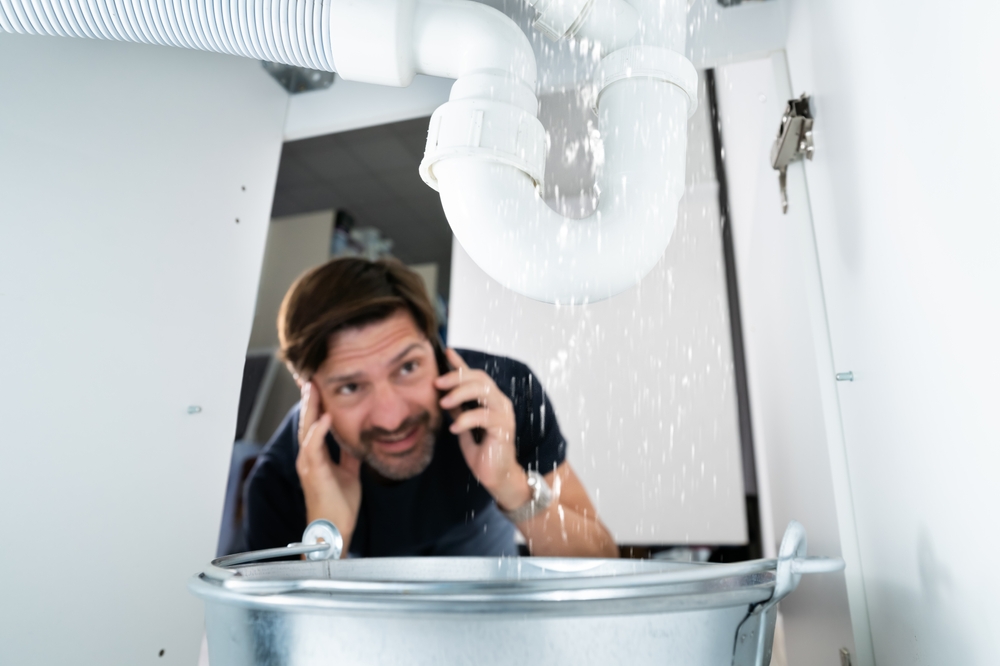
The cost of repairing a leak can vary based on several factors: Type of Leak: Different types of leaks (e.g., plumbing, roof, or foundation leaks) require different repair methods, affecting the cost. Severity of the Leak: Minor leaks that are detected early usually cost less to repair compared to severe leaks that cause significant damage. Location of the Leak: Leaks in hard-to-reach areas or those requiring specialized access can increase the repair cost. Materials and Labor: The cost of materials and the labor required for the repair can influence the overall expense. Higher-quality materials or extensive labor can raise the cost. Additional Damage: If the leak has caused additional damage, such as mold or structural issues, the repair cost may be higher due to the need for extensive repairs.
The time required to repair a leak depends on: Type of Leak: Simple plumbing leaks may be fixed within a few hours, while more complex leaks, such as those in the roof or foundation, can take longer. Severity and Location: Severe leaks or those in difficult-to-access areas may require more time to locate and repair. Additional Repairs: If the leak has caused secondary damage, additional time may be needed to address these issues as well.
Common causes of leaks include: Plumbing Issues: Leaks from pipes, faucets, or toilets are common plumbing issues that may require repair. Roofing Problems: Damaged or missing shingles, flashing issues, or clogged gutters can lead to roof leaks. Foundation Issues: Cracks or gaps in the foundation can result in leaks, especially during heavy rainfall. Appliance Malfunctions: Leaks from appliances such as washing machines or dishwashers can occur due to faulty hoses or connections.
Preventive measures include: Regular Maintenance: Schedule regular maintenance checks for your plumbing, roofing, and appliances to identify and address potential issues before they become leaks. Proper Insulation: Ensure that pipes are properly insulated, especially in colder climates, to prevent freezing and potential leaks. Clean Gutters: Regularly clean gutters and downspouts to prevent water backup and roof damage. Inspect for Damage: Regularly inspect your home for signs of wear or damage, such as cracks in the foundation or roof, and address any issues promptly.
Consider the following when deciding between professional help and a DIY fix: Complexity of the Leak: Complex leaks, especially those involving plumbing or structural issues, are best handled by professionals to ensure proper repair. Experience and Tools: If you have the necessary experience and tools for a DIY repair, it may be a cost-effective option. However, improper repairs can lead to further damage. Safety Concerns: For leaks involving electrical systems or structural components, professional repair is recommended to avoid safety hazards. Warranty and Insurance: Professional repairs may come with warranties and insurance coverage, providing additional protection and peace of mind.
How much does it cost to install a new toilet?
Today is the day to build the home of your dreams or get that repair fixed. Share your project with local vetted tradespeople and begin the journey.


 Electrician
Gas Engineer
Electrician
Gas Engineer


Our tradespeople offer guarantees ranging from 1 to 12 months
We show your job to relevant tradespeople near you
Our feedback system ensures that tradespeople are rewarded.