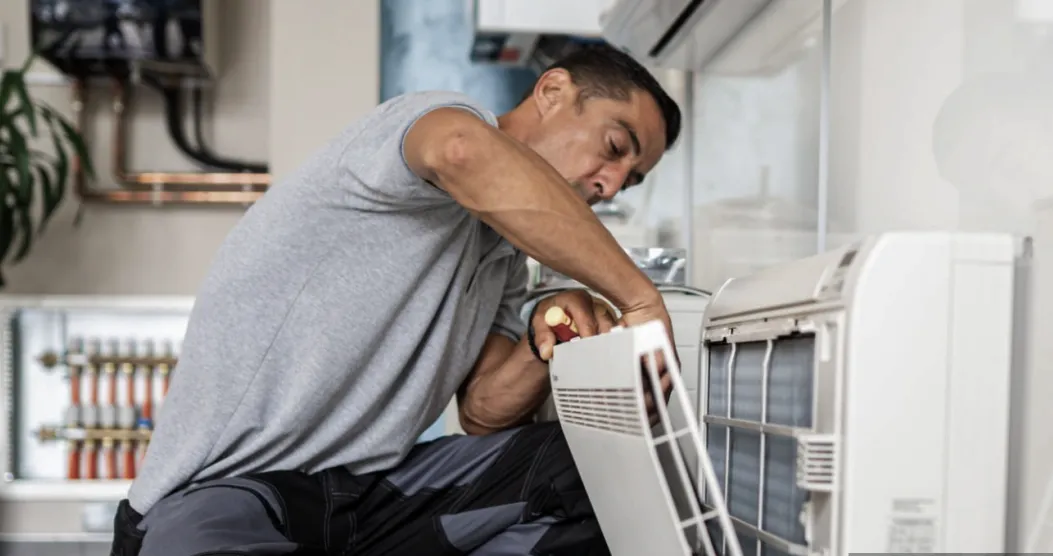


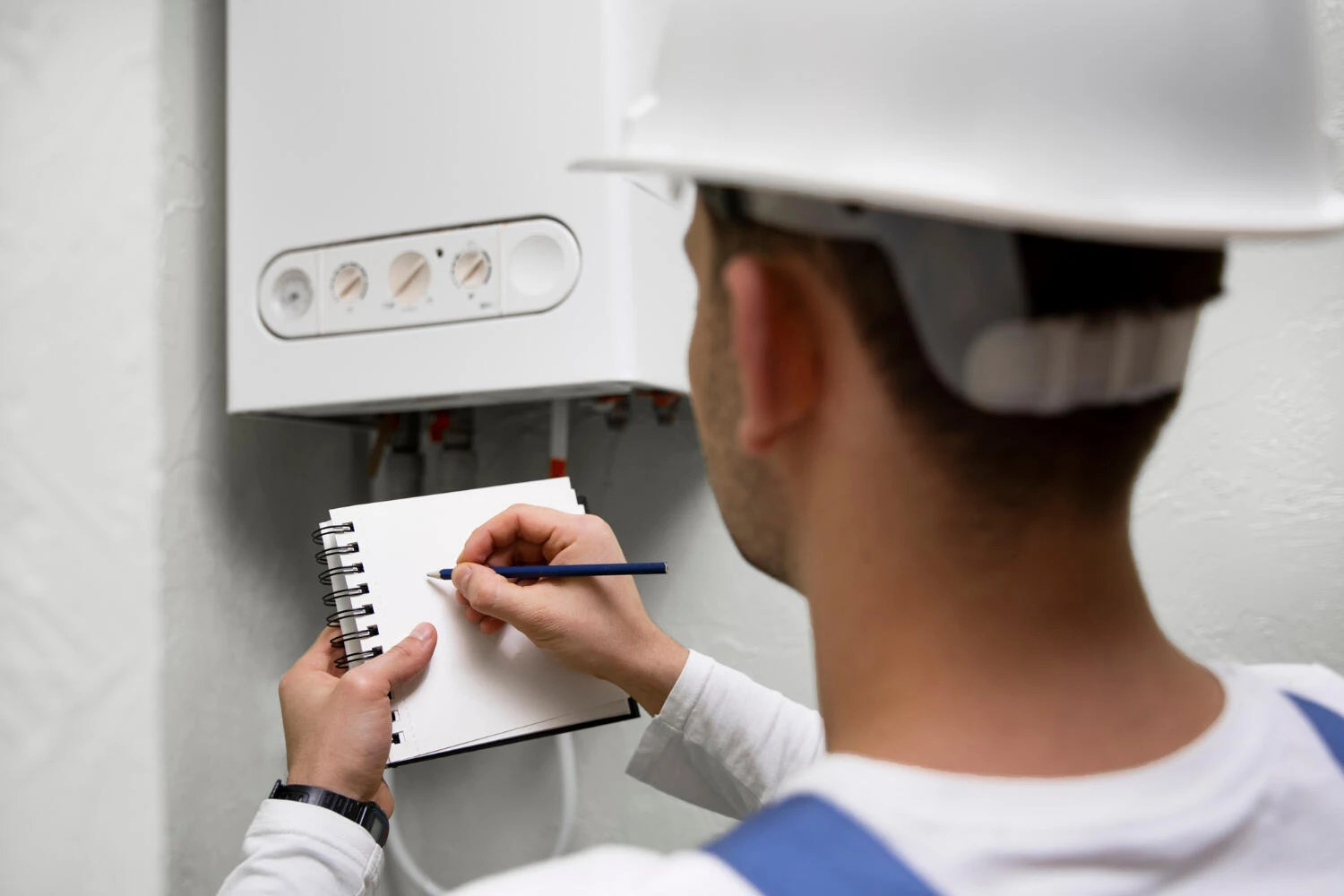
Gas safety checks, also known as gas appliance inspections, are crucial for ensuring the safety and efficiency of your home’s gas appliances. Regular inspections not only prevent potential hazards but also help maintain the optimal performance of your appliances.
Gas leaks pose a significant danger to your home and family. Regular gas safety checks help in:
Faulty gas appliances can produce deadly carbon monoxide gas. Gas safety checks ensure:
Regular maintenance enhances the efficiency of your gas appliances:
For landlords, annual gas safety checks are a legal obligation:
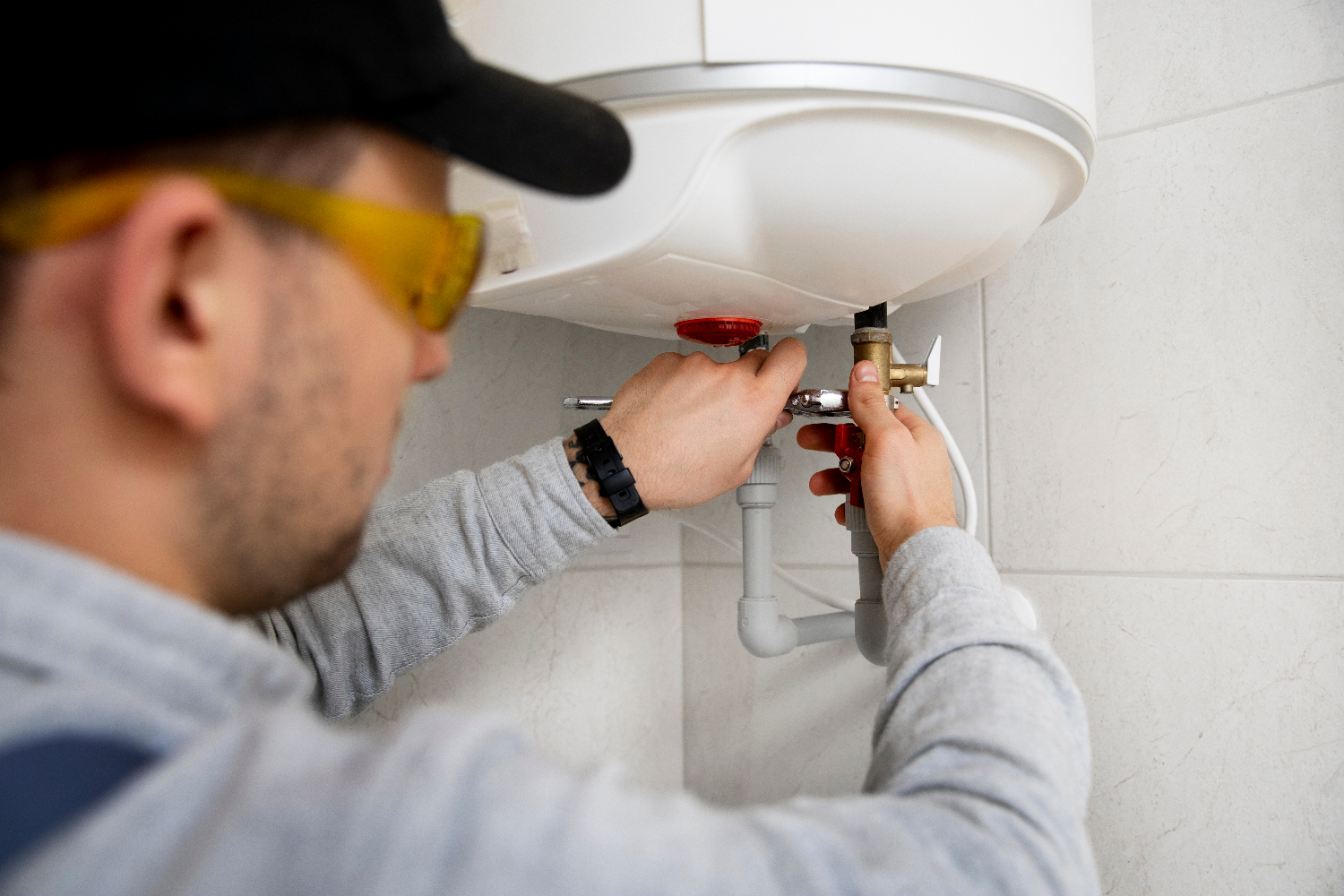
Knowing your gas appliances are safe and well-maintained provides invaluable peace of mind:
A comprehensive gas safety check involves several key steps:
The frequency of gas safety checks varies based on appliance type and usage:
The Gas Safe Register is the official list of qualified gas engineers:
Gas safety checks should only be performed by professionals:
Gas safety checks are essential for maintaining a safe and efficient home environment. Regular inspections by qualified engineers ensure your gas appliances operate without risk to your health or home. Schedule annual gas safety checks to protect your loved ones and enjoy the peace of mind that comes with a secure and well-maintained home.

Introduction: Owning a home is a rewarding journey, but it comes with its fair share of responsibilities. From leaky faucets to squeaky stairs, your home may need some TLC along the way. In this guide...
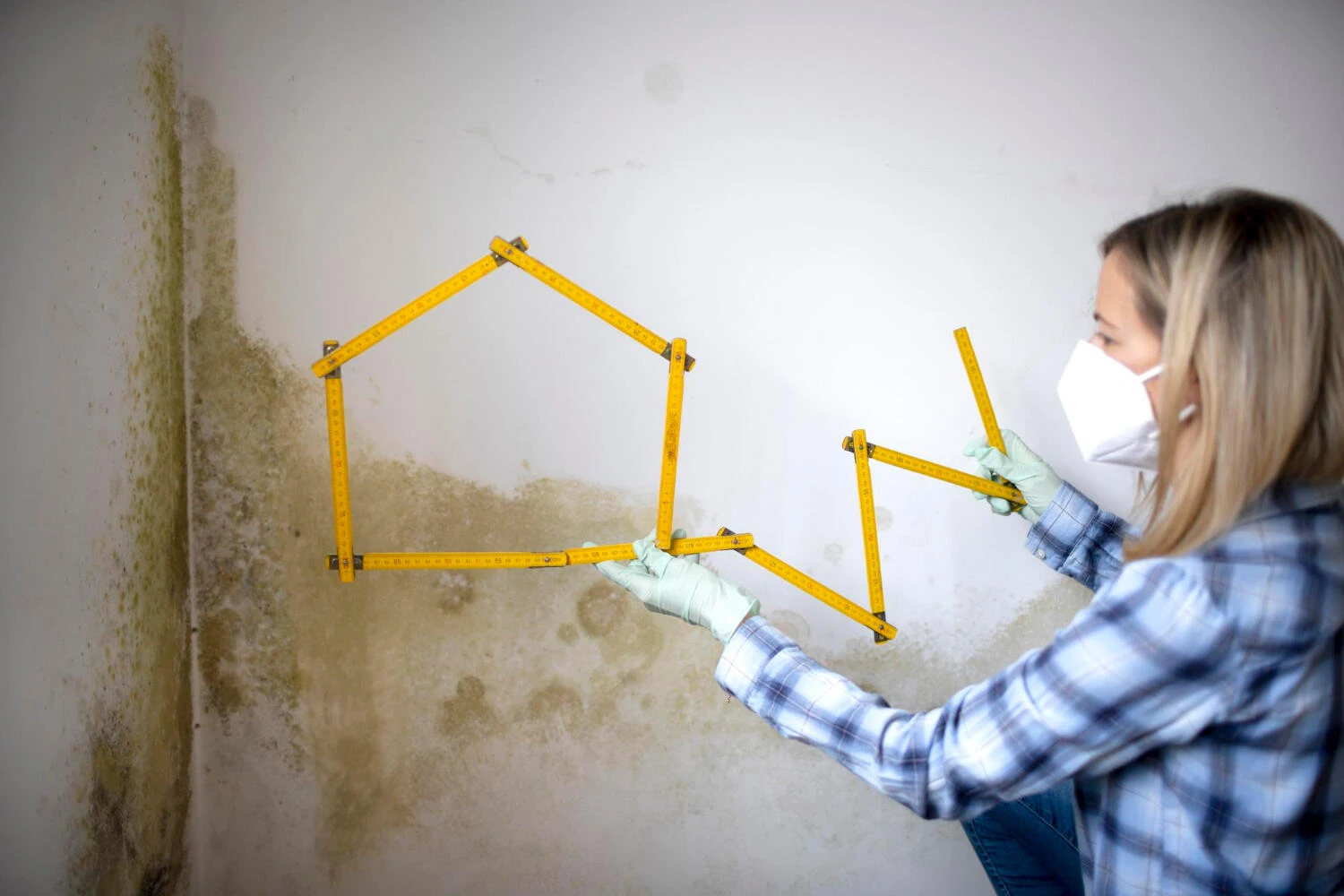
Mould, that sneaky and unwanted houseguest, can stealthily invade your home, compromising both its structural integrity and your family"s health. But fear not! In this comprehensive guide, we"ll explo...

Squeaky stairs, the unwelcome soundtrack of many homes, can be a source of annoyance and frustration. Whether you"re tiptoeing down for a midnight snack or ascending to start your day, the last thing ...
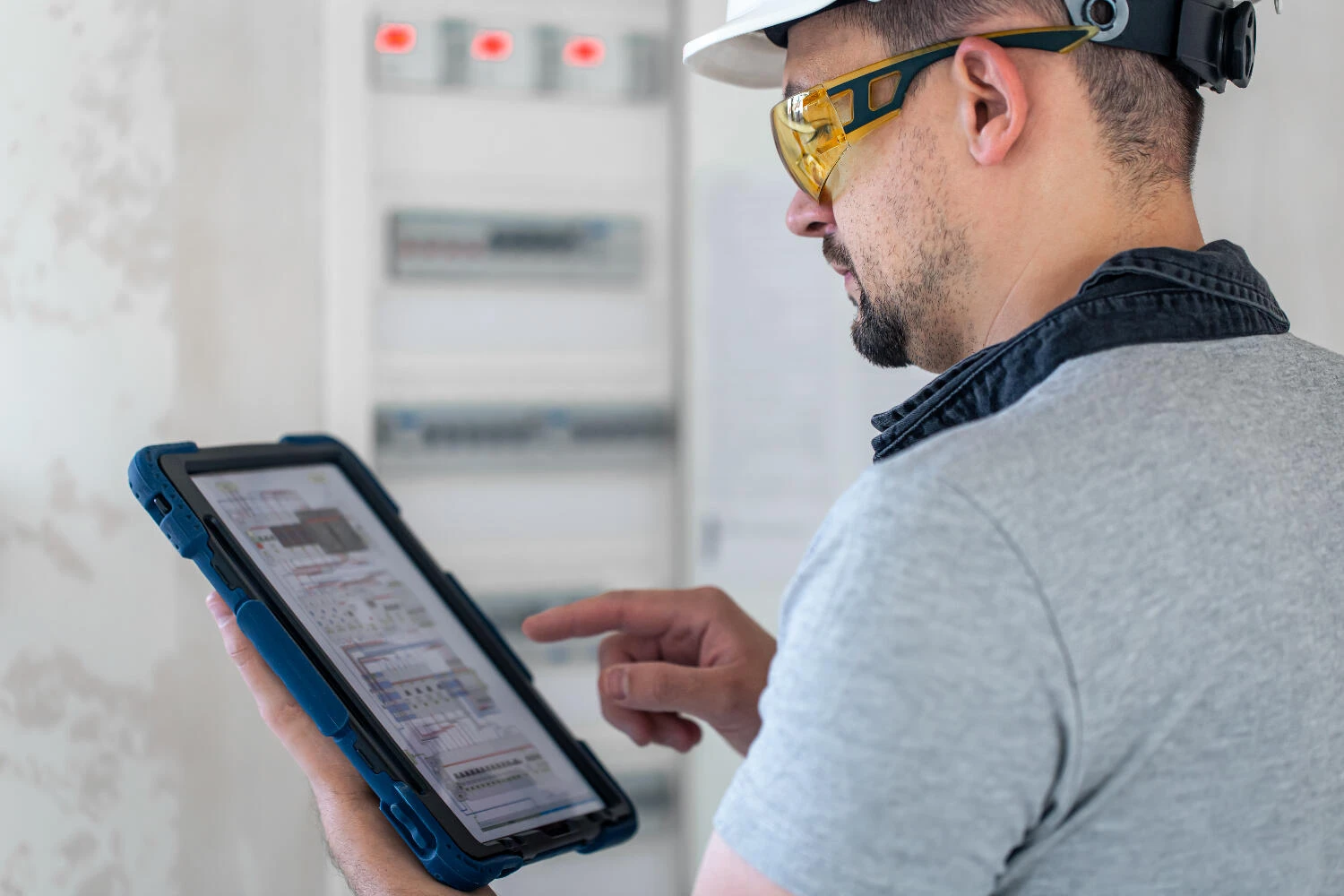
Your home"s electrical system is its silent workhorse, powering everything from lights to appliances. But, like any workhorse, it requires regular check-ups to ensure it"s functioning safely and effic...
Your home is your sanctuary, and its safety should always be a top priority. When it comes to household safety, gas appliances play a crucial role in our daily lives but also pose potential risks if n...
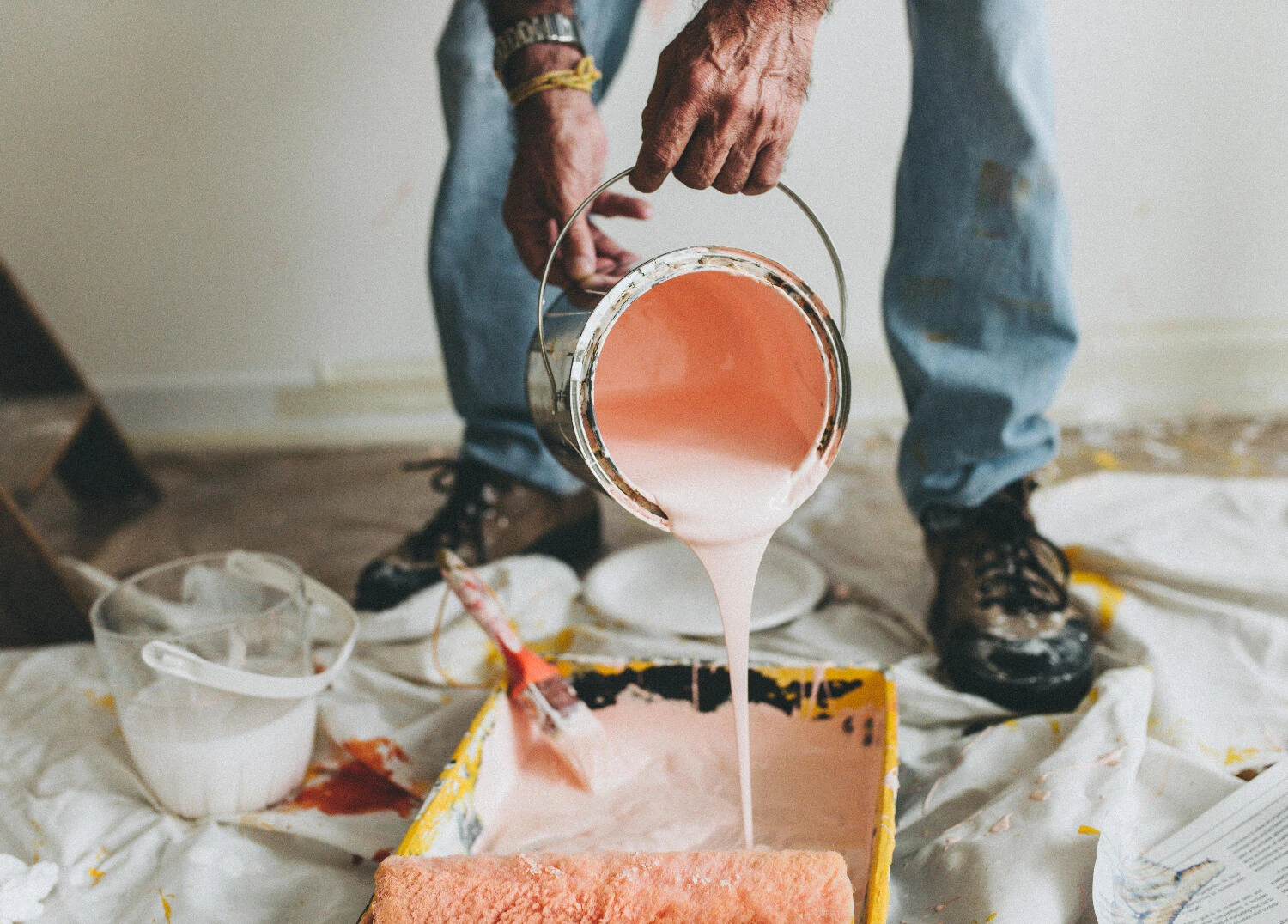
A fresh coat of paint can breathe new life into your home, transforming it from ordinary to extraordinary. Painting is more than just picking your favourite colour; it"s about creating ambience, prote...
Today is the day to build the home of your dreams or get that repair fixed. Share your project with local vetted tradespeople and begin the journey.


 Electrician
Gas Engineer
Electrician
Gas Engineer


Our tradespeople offer guarantees ranging from 1 to 12 months
We show your job to relevant tradespeople near you
Our feedback system ensures that tradespeople are rewarded.